12 February, 2026 - 11:22 am
31 Views Views
A damp concrete floor can make any room feel cold, musty, and uncomfortable, especially in UK homes where rain is common. Many people notice wet spots, white powdery marks, or a chilly feel underfoot on ground floors, garages, or basements. Fixing a damp concrete floor stops moisture from ruining carpets, wood, or paint, and keeps the house healthier. The good news is you can tackle this problem with straightforward steps using everyday tools and reliable products.
Moisture often comes up from the ground because older concrete slabs lack a proper damp proof membrane or the old one has worn out. In rainy British weather, water sits in the soil and slowly soaks into the porous concrete. Poor drainage around the house, blocked gutters, or high groundwater after heavy rain makes it worse. Leaks from pipes under the floor can add to the issue too. Spotting the signs early helps avoid bigger damage like peeling paint, mould, or lifting floor coverings.
Start by testing to confirm the source. Tape a clear plastic sheet tightly over a dry spot on the floor and leave it for a few days. If water droplets appear under the plastic, moisture is rising from below. If droplets form on top, it’s likely condensation from poor air flow. This quick check guides what fix to choose.
Clean the floor first by sweeping away dirt and scrubbing with mild soap. Remove any loose bits or old coatings. For small cracks, fill them with concrete crack filler or filler for cracked concrete to stop more water getting in. Let repairs dry fully before moving on.
Why Damp Happens in UK Concrete Floors?
In many UK properties, especially older ones, concrete was laid straight onto soil without a strong barrier. Over time, tiny cracks let ground water travel up through the material. Heavy rain raises groundwater levels, pushing more moisture into the slab. Blocked drains or poor sloping outside direct water toward the house foundation. Even landscaping changes, like removing trees, can alter soil moisture and increase pressure on the floor.
Condensation plays a role indoors when warm air meets a cold slab, but rising damp from below causes ongoing wetness. Signs include tide marks on walls near the floor, efflorescence (white salty deposits), or a constant damp smell. In garages or basements, tyre marks or oil can mix with moisture, making surfaces slippery and stained.
Ignoring a damp concrete floor leads to bigger problems like wood rot in furniture legs or health issues from mould spores. Acting early saves time and effort. Simple surface treatments often work well without digging up the entire floor.
Easy Ways to Stop Moisture Rising
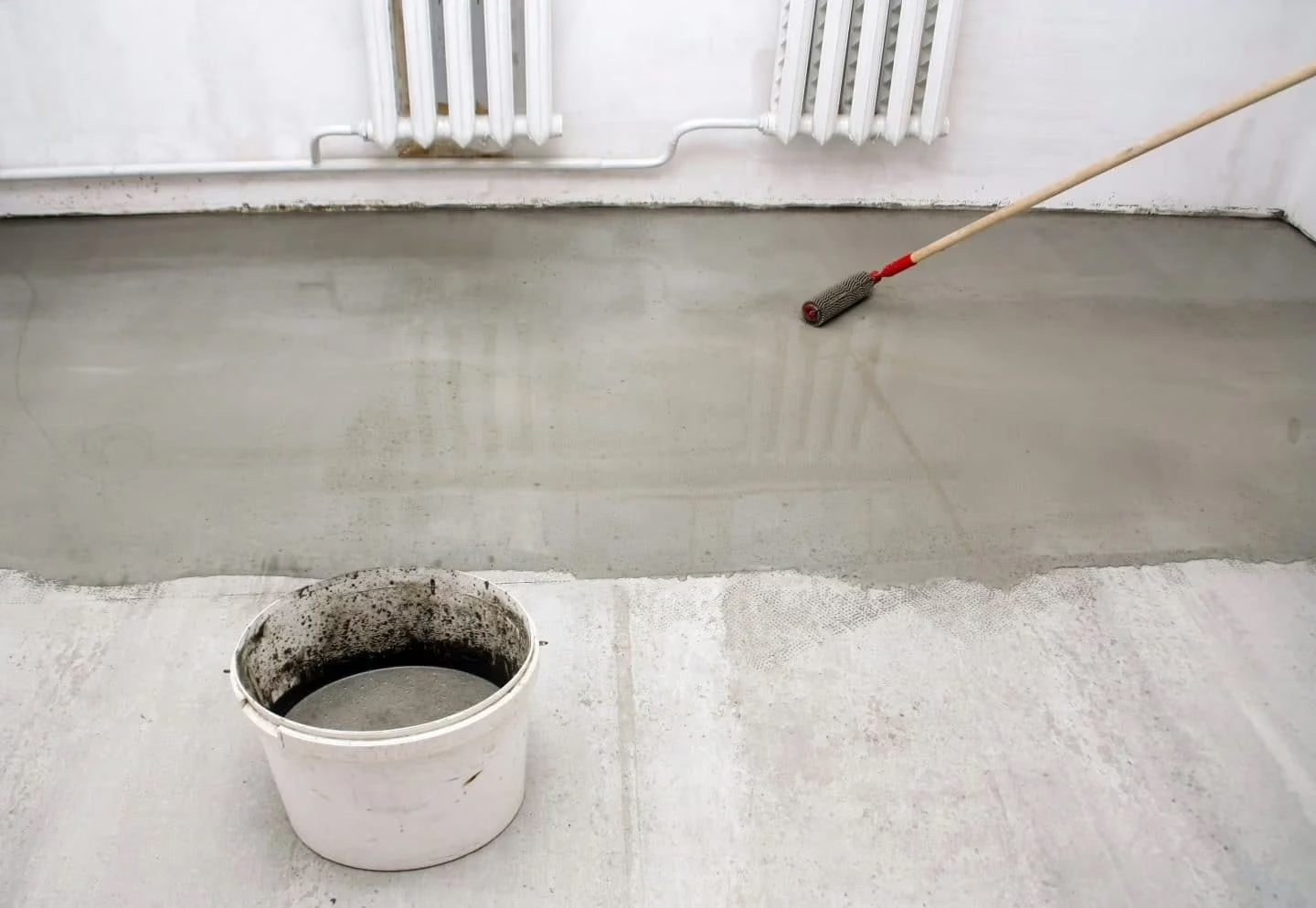
One popular fix is applying a liquid damp proof membrane. This paint-like product seals the surface and blocks water from coming through. Clean and dry the floor, then roll or brush on two coats. It soaks in and forms a tough barrier. Many choose epoxy-based versions for extra strength, especially in high-traffic areas like garages.
For stronger protection, use a concrete sealer or waterproof paint for concrete. These products create a film that repels water while letting the floor breathe a bit. Clear concrete sealer keeps the natural look, while coloured ones hide stains. Apply after any repairs with concrete filler or epoxy repair for concrete.
In severe cases, a surface membrane sheet can go down, followed by a thin screed layer. This isolates the damp completely. For garages, interlocking tiles over a barrier provide quick coverage and insulation.
Delta Profloor supplies practical solutions like sealers and coatings that suit UK conditions without major disruption.
Before sealing, fix any cracks with concrete repair resin or resin concrete repair. Smooth the surface so the product bonds well. Good prep makes the fix last longer.
Painting and Sealing for Lasting Dry Floors
After blocking the damp, painting adds beauty and extra protection. Use concrete floor paint or epoxy floor paint for concrete designed for damp areas. These resist moisture and wear. Exterior concrete floor paint works for outdoor slabs, while indoor types suit basements.
Prime first with concrete primer for better adhesion. Roll on thin coats and allow drying time between them. Water resistant concrete paint handles spills and humidity well. For grip in wet spots, choose non slip concrete paint or anti slip paint for concrete.
Finish with concrete sealer uk to lock everything in. External concrete sealer protects against rain if the floor connects to outside. Concrete floor sealer makes cleaning simple with just a mop.
Delta Profloor offers coatings that combine sealing and painting for easy one-step results.
In cold UK winters, sealed floors stay warmer and drier. Regular checks keep small issues from growing.
Maintenance Tips to Keep Floors Dry
Sweep regularly to remove grit that holds moisture. Mop with gentle cleaners, avoiding acids that damage seals. Improve air flow with open windows or fans to cut condensation.
Check outside drainage yearly. Clear gutters and ensure ground slopes away from walls. In very wet seasons, use a dehumidifier indoors to pull excess moisture from the air.
Touch up any chips in paint or sealer quickly with matching product. For new cracks, fill with concrete filling cracks tools right away.
Concrete floor repairs stay simple when caught early. Concrete resurfacer uk smooths worn areas before resealing.
A dry floor feels welcoming and safe for family use. Kids play without cold feet, and furniture lasts longer.
Benefits of Fixing Damp Concrete Floors
Treated floors resist mould, improving air quality. They hold heat better, helping save on heating bills in chilly months. Painted surfaces look fresh and clean, boosting home appeal.
Safety increases with less slip risk from wet patches. In garages, sealed concrete handles cars and tools without staining.
Creative options let you add colours or patterns. Concrete paint colours brighten dull spaces. Floor paint for concrete transforms basements into usable rooms.
Delta Profloor helps make these changes straightforward with user-friendly products.
Overall, addressing a damp concrete floor brings comfort, health, and value to any UK property.
Frequently Asked Questions About
How can I tell if damp is coming from below the concrete floor?
Tape plastic over a spot for a few days. Water under the sheet means rising moisture from the ground.
What is the easiest way to seal a damp concrete floor?
Apply a liquid damp proof membrane or epoxy coating after cleaning and repairing cracks. Two coats usually do the job well.
Can I paint over a damp concrete floor without fixing the moisture first?
No, always stop the source of damp before painting. Otherwise, the new layer will bubble or peel off quickly.
Share this article:
Read more about:
23 February, 2026
Trusted Commercial Flooring Contractors London
17 February, 2026
Line Painting UK Top Durable Choice for Roads & Floors
17 February, 2026
Coating Coating UK Best Trusted Floor Protection
12 February, 2026
Repaint Concrete Floor Easy UK Guide for Best Results
12 February, 2026
Anti Slip Paint for Concrete Safe UK Choices
12 February, 2026