23 February, 2026 - 11:12 am
64 Views Views
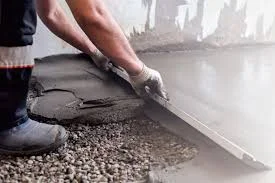
People often ask what is screed when they plan new floors or fix old ones. Screed is basically a thin mix poured over concrete to make everything flat and even. It uses sand cement and water stirred together until smooth. This layer sits on top of the rough concrete base so your final floor like tiles wood or carpet goes down nicely without bumps. In homes and buildings across the UK screed helps hide pipes or wires and spreads heat evenly if you have warm floors underneath.
It makes walking feel comfy and stops things cracking later. Think of it like icing on a cake the concrete is the cake and screed smooths it ready for pretty topping. Without good screed floors can feel uneven or cold in spots. Many folks choose it for new builds extensions or when updating kitchens and bathrooms. The mix dries hard and strong ready for heavy use. What is floor screed exactly? It’s the same thing just focused on floors instead of walls or other spots. Good screed lasts years if done right keeping your home looking tidy and feeling warm.
Different Kinds of Screed You Might See
There are a few main ways to make screed each good for different jobs. Traditional sand and cement screed is the most common one. You mix sharp sand with cement and just enough water to make it workable. This type sticks well when you need it bonded straight to the concrete below.
Another kind is floating screed which sits on insulation or a plastic sheet so it moves a little on its own. That helps with soundproofing or stopping heat loss. Then there’s flowing screed sometimes called liquid screed which pours out smooth like thick syrup and levels itself. It dries quicker and works great over big areas.
People like it because trucks can pump it right where needed saving time and mess. Bonded screed glues tight to the base with special primer perfect for thin layers. Unbonded types use a membrane in between for damp spots. Each kind has its place depending on room size what floor finish you want and if underfloor heating pipes run underneath. Choosing the right one keeps everything level and crack-free.
Using Screed with Underfloor Heating
Lots of homes now add warm floors under tiles or wood. Underfloor heating without screed is possible with special thin mats or low-build systems that fit in small spaces. These work well in old houses where you can’t add thick layers. But many prefer traditional screed poured over the heating pipes because it holds heat longer and spreads it evenly across the room. The screed covers the pipes safely protects them and makes the floor feel nice and toasty without hot or cold patches.
When pipes sit in screed warmth rises gently through the whole surface. Some systems use electric mats laid flat then covered with thin self-levelling compound instead of full screed. That keeps the floor height low handy for doors or stairs.
In new UK homes flowing screed often goes over water pipes for fast install and great heat flow. It takes time to dry properly so heating starts slow at first. Done right it saves energy because the floor stays warm longer. Whether you pick underfloor heating without screed or full coverage the goal is comfy toes on cold mornings.
Delta Profloor helps pick the best setup for your space making sure heat works well without issues.
Why Screed Matters for Epoxy and Other Floors?
Smooth bases are key for shiny tough floors too. Epoxy flooring companies near me often need a perfect level screed first so the resin sticks flat and looks glossy without dips. Epoxy makes strong surfaces for garages kitchens or factories where spills happen a lot. It resists water chemicals and heavy steps. Before pouring epoxy screed evens everything so no weak spots form.
Some use epoxy resin screed itself as the base layer it’s a mix with resin instead of just cement for extra grip and speed. That type hardens fast and holds up in busy places. For warehouses or big shops screed preps the floor so epoxy goes on even and lasts. People search for these because they want durable easy-clean floors that look smart. Screed underneath stops cracks spreading up. With the right prep epoxy stays smooth and shiny for years.Delta Profloor knows these jobs well and sorts the right mix every time.
Other Building Jobs Where Screed Helps
Screed isn’t just for inside floors. It pops up in other work too. For flat roofs good roof waterproofing services often start with a level base so membranes stick tight and water runs off properly. Uneven spots trap puddles that cause leaks over time. Screed smooths it all first. In big buildings warehouse roof replacement might include screed layers to make the new covering sit right and stay sealed.
Teams remove old stuff add insulation if needed then screed for a flat surface before waterproof membranes go on. That stops damage from rain or wind. Screed also fixes slopes so water drains away fast. Pros use it to create gentle falls on roofs or balconies.
In homes it helps with extensions where new concrete meets old. The mix fills gaps and makes transitions smooth. Whether fixing a leaky roof or prepping for new tiles screed gives a solid start. It keeps water out and structures strong against weather.
Delta Profloor guides you through choices for home or work spaces.
Three Common Questions About What Is Screed
What makes screed different from regular concrete?
Concrete builds strong structures like walls or bases but screed is thinner and smoother just for levelling floors ready for final coverings.
Can I put screed over old floors myself?
Small jobs yes but big areas need pros to mix right level properly and avoid cracks – especially with heating pipes underneath.
How long before I can walk on new screed?
It depends on type but usually a few days to walk lightly weeks to lay heavy floors and longer for full strength always check drying times.
Share this article:
Read more about:
30 January, 2026
Best Floor Paint for Concrete Floors UK Top Choices
28 January, 2026
Non Slip Concrete Paint UK Trusted Safe Outdoor Floor Solution
23 January, 2026
Trusted paint concrete floor outside for Strong UK Outdoor Spaces
1 January, 2026
Epoxy Floor Paint UK Trusted Strong Finish for Floors
26 December, 2025
Trusted UK Contract Flooring Solutions That Truly Last
26 December, 2025